
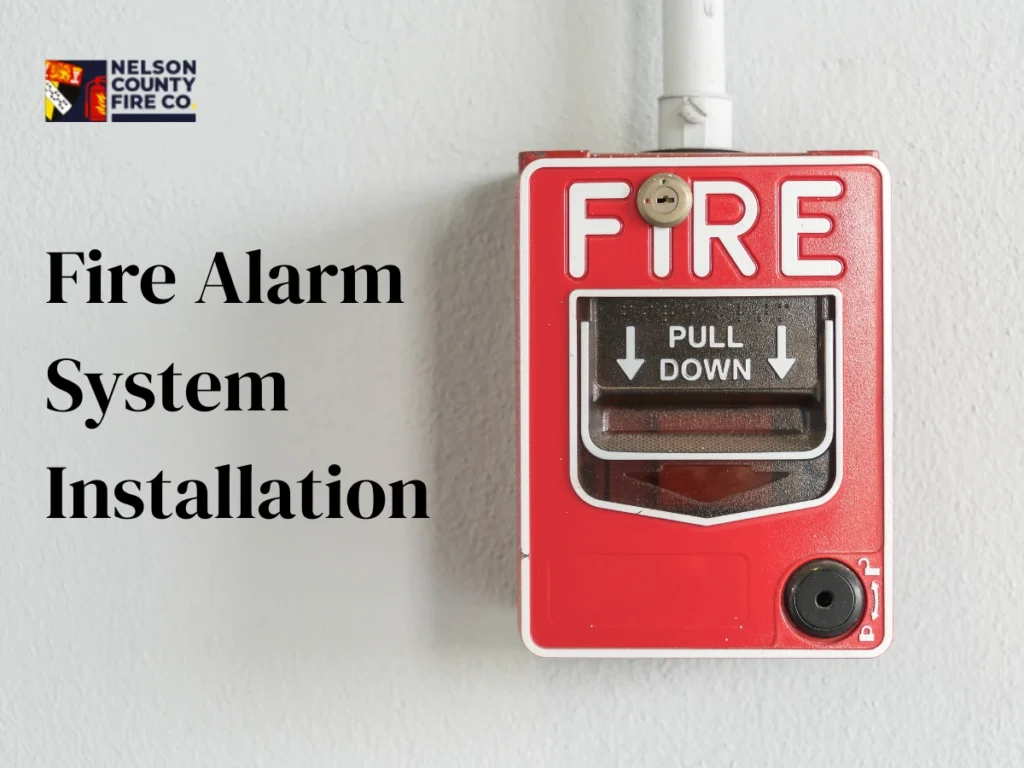
Fire safety is something no property owner should take lightly. A small spark can turn into a dangerous fire within minutes! People may not have enough time to react without the right warning system. This is the reason why fire alarm system installation is of prime importance in protecting buildings and businesses.
Installing a fire alarm system may seem confusing at first for many property owners. Questions often come up about:
- Rules
- System types
- Placement
- Maintenance
The good news is that the process becomes much easier when you understand the basics.
In the blog, we explain everything you need to know about the fire alarm system installation and how professional fire alarm service can help keep your property safe.
Understanding the Importance of Fire Alarm System Installation
A precisely installed fire alarm system does more than make noise when smoke appears.
It works as an advanced notice system that gives people valuable time to leave the building safely.
Advanced fire alarms can catch smoke or fire particles in the air. They prompt loud alarms and sometimes flashing lights to alert everyone nearby when they detect danger.
Reliable fire alarm system installation helps:
- Warn occupants quickly during a fire emergency
- Reduce damage to property
- Help emergency services respond faster
- Meet safety regulations and legal requirements
A building may face severe safety risks and possible legal penalties without a properly installed system. This is the reason why many property owners rely on trained fire alarm professionals to handle the work and make sure the system is put in place properly from the very beginning.
Safety and Legal Requirements Before Installation
It is important to understand the rules that guide fire safety systems before starting any fire alarm system installation.
These rules are not just paperwork. They are made to guarantee every alarm system works in an adequate manner when a real emergency happens.
Building Codes and Fire Safety Rules
Most fire alarm systems must follow national and local safety codes. These rules often define:
- Where detectors must be installed
- How alarms should sound
- How systems must be tested
- How often are inspections required
Commercial buildings generally have stricter requirements than homes. Some properties also need permits before installation starts.
Professional fire alarm services help make certain your system obeys these codes and avoids compliance problems.
Accessibility Requirements
Fire alarm systems must alert everyone in a building (including people with hearing difficulties). That’s why many systems include both audible alarms and flashing lights.
These characteristics guarantee that every occupant obtains a warning during an emergency situation.
Choosing the Right Fire Alarm System Installation for Your Property
Every building has different requirements for the type of fire alarm system. The right choice completely depends on:
- The size of the property
- How it is used
- Local safety rules
Residential Fire Alarm Systems
Homes and smaller buildings generally employ basic alarm systems designed for quick installation and reliable alerts.
Battery-operated alarms
These systems are as easy as ABC to install and do not need any type of electrical wiring. Many modern detectors include long-life batteries that can last up to ten years.
Hardwired home systems
These alarms connect exactly to the building’s electrical system. They also include battery backup! You can rest easy because they also work during a power failure. These alarms are interconnected in many homes so that all alarms sound together if one alarm detects smoke.
Both options provide efficient protection when installed in the right manner.
Commercial Fire Alarm Systems
Larger buildings often require more advanced fire alarm systems.
Addressable systems
These systems assign a particular address to each device. The control panel can determine the exact location of the problem if a detector activates.
Monitored systems
These alarms are connected to monitoring centers that automatically contact emergency services when an alarm is activated.
These systems generally require professional fire alarm system installation and ongoing fire alarm services because of their complexity.
Strategic Placement in Fire Alarm System Installation
Where detectors are placed is just as important as the system itself. Poor placement may delay detection and compromise safety.
Recommended Locations for Homes
A general residential fire alarm system installation should comprise detectors in several important areas:
- One detector on every floor
- Inside each bedroom
- Outside sleeping areas
- At the top of stairways
These locations help make certain that smoke is identified quickly, even if a fire starts in another part of the home.
Recommended Locations for Commercial Buildings
Commercial buildings often require wider coverage because they have larger spaces and more occupants.
Common installation areas include:
- Hallways and shared spaces
- Offices and occupied rooms
- Near exits and escape routes
- Storage areas or equipment rooms
The number of detectors depends on the building size and layout.
Power Sources in Fire Alarm System Installation
One important decision during the fire alarm system installation is picking how the system will receive power.
Hardwired Systems
Hardwired alarms are connected to the building’s main power supply. They also involve a backup battery! You can rest assured that the alarm can still work if the electricity goes out.
These systems are highly reliable but must be installed by skilled professionals to satisfy electrical safety codes.
Battery-Powered Systems
Battery-operated alarms are adaptable and very easy to install. They are time and again used in homes or smaller buildings where running a wire is challenging.
However, batteries must be examined on a regular basis to ensure the alarms remain working.
Professional fire alarm services often comprise maintenance programs that help keep both types of systems operating properly.
Step-by-Step Fire Alarm System Installation Overview
| Step | What is Done | Meaning |
| 1 | Plan the system | Decide where alarms and detectors will go in the building |
| 2 | Prepare the area | Make the place ready for installation |
| 3 | Install devices | Fix alarms and detectors on walls or ceilings |
| 4 | Power setup | Connect wires or install batteries |
| 5 | System setup | Set the system so everything works properly |
Note: Professional installation helps the fire alarm system work safely.
Testing After Fire Alarm System Installation
Testing is one of the most important stages of installation. Even a perfectly installed system must be verified before it can be relied upon.
Initial System Testing
Technicians check every detector and alarm to confirm they activate correctly. This includes verifying sound levels and communication between devices.
Smoke Detection Testing
Special test equipment is used to replicate smoke and confirm that detectors respond properly.
Testing guarantees that the entire system works as designed before the project is completed.
Maintenance and Fire Alarm Services
Putting a fire alarm system in place is only the first step. Continuous maintenance keeps the system reliable over time.
Monthly Testing
Property owners should press the test button on each alarm to confirm basic operation.
Quarterly Inspections
Dust and debris can affect sensors. Periodic inspections help guarantee detectors are sensitive and accurate.
Annual Professional Inspections
Skilled fire alarm services include a full system assessment and documentation for safety compliance.
Consistent maintenance puts a stop to system failures and reduces the risk of false alarms.
Planning for Fire Alarm System Installation Costs
| Topic | Explanation |
| Installation Cost | The price depends on: Building size. System type. Monitoring needs. |
| Small Buildings | Smaller systems usually cost less. |
| Large Buildings | Big buildings need more devices and work, so the cost is higher. |
| Professional Installation | Experts install the system to make sure it works correctly. |
| Code Compliance | The system follows safety rules and regulations. |
| Reliable Performance | The alarm system works properly during emergencies. |
| Less Maintenance | Good installation helps reduce future problems. |
| Long-Term Safety | Many owners see it as an important safety investment. |
Protect Your Property with Professional Fire Alarm Services
An efficient fire alarm system installation is one of the most effective ways to protect people and property from fire emergencies. From picking the right system to ensuring proper placement and maintenance: Every step plays a role in creating a safer environment.
We at Nelson County Fire provide expert fire alarm services designed to simplify the entire process. Our team helps property owners maintain reliable fire alarm systems that meet safety standards and deliver peace of mind.